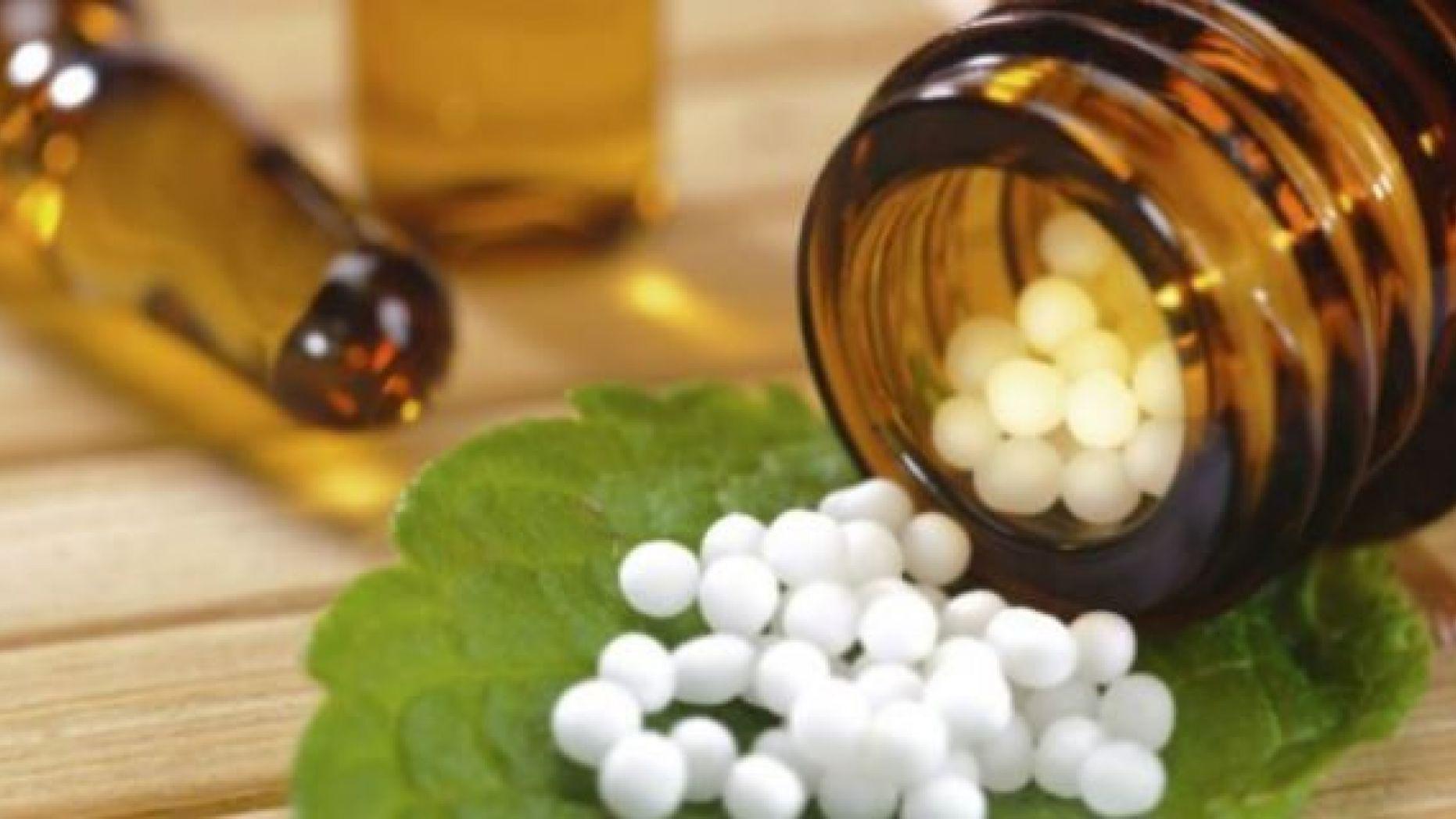
Safe but Why Effective
Homeopathy is often described as a safe form of treatment due to its use of highly diluted substances. However, its effectiveness remains a topic of debate. Here’s a closer look at why homeopathy is considered safe and why questions about its effectiveness persist.
Safety in Homeopathy:
-
High Dilution Levels: Homeopathic remedies are prepared by repeatedly diluting a substance in water or alcohol. The dilution process often continues until there is little to none of the original substance left. This means the remedies contain minimal to no toxic elements, significantly reducing the risk of side effects or harm.
-
Non-Invasive: Homeopathy does not involve invasive procedures or strong pharmaceuticals, making it a gentle alternative, especially appealing for children, the elderly, and those sensitive to conventional medications.
-
Regulation and Standards: In many countries, homeopathic remedies are subject to regulatory standards ensuring they are manufactured safely and consistently.
The Debate on Effectiveness:
-
Mechanism of Action: Critics argue that homeopathic remedies are so highly diluted that they are essentially placebos, containing no active ingredients. Proponents, however, claim that the dilution and succussion (shaking) process imparts a healing energy or memory of the original substance to the water, which stimulates the body's natural healing processes.
-
Scientific Evidence: Numerous studies have investigated the efficacy of homeopathy, with mixed results. Some clinical trials suggest benefits beyond placebo, while others find no significant difference between homeopathic treatments and placebos. The scientific community remains divided, often calling for more rigorous, large-scale studies to provide conclusive evidence.
-
Patient Testimonials: Many patients report positive outcomes from homeopathic treatments, attributing improvements in their conditions to the remedies. These anecdotal reports contribute to the popularity and continued use of homeopathy, despite the lack of universally accepted scientific validation.
-
Holistic Approach: Homeopathy emphasizes a holistic approach, considering the patient's physical, emotional, and psychological state. This personalized care can lead to improvements in overall well-being, which may be perceived as effective treatment.
Conclusion:
Homeopathy is widely regarded as a safe form of alternative medicine due to its non-toxic, non-invasive nature. However, its effectiveness is still a matter of ongoing debate within the scientific and medical communities. While some studies and patient experiences support its benefits, the lack of a clear, scientifically accepted mechanism of action keeps the debate alive. As with any medical treatment, it is essential for individuals to make informed decisions based on available evidence, personal beliefs, and consultation with healthcare professionals.