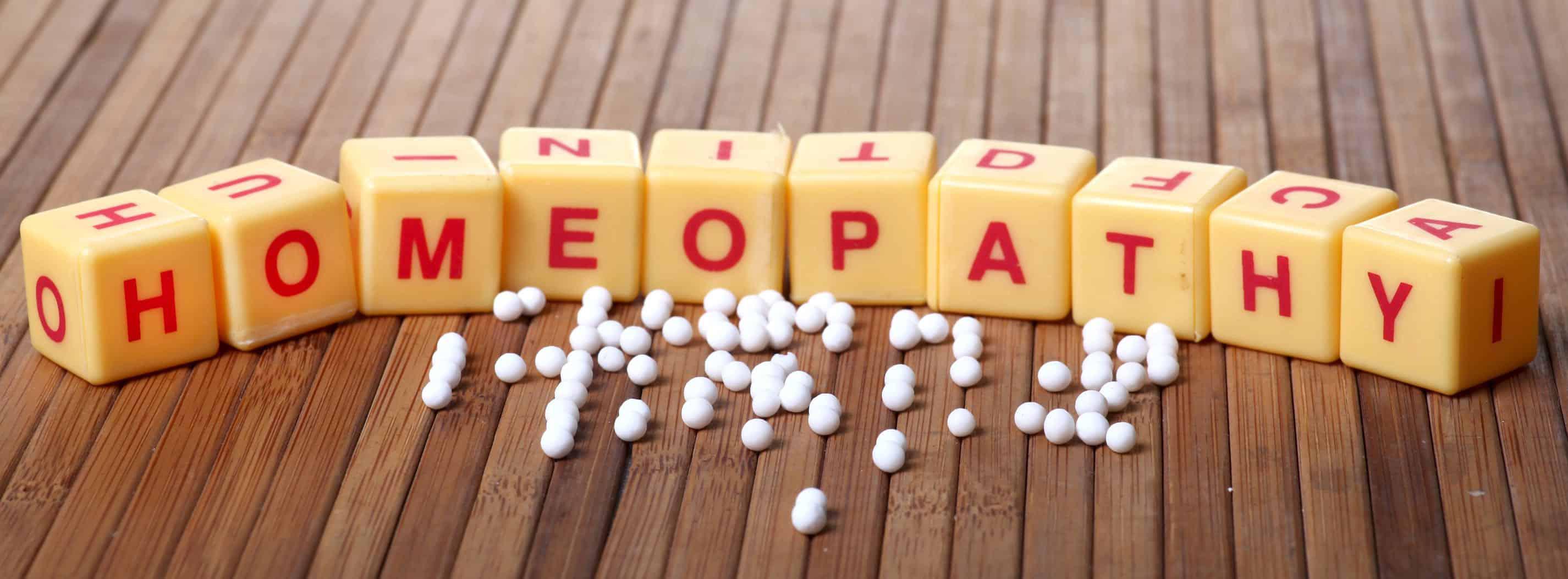
What Is Homoeopathy
Homeopathy is a system of alternative medicine based on the principle of "like cures like." This means that a substance that causes symptoms in a healthy person can be used in very small amounts to treat similar symptoms in a sick person. It was developed in the late 18th century by Samuel Hahnemann, a German physician.
Key concepts of homeopathy include:
-
Dilution and Succussion: Homeopathic remedies are prepared through a process of serial dilution and shaking, known as succussion. The belief is that this process enhances the remedy's healing properties, even when the original substance is diluted to the point that it's no longer detectable.
-
Individualized Treatment: Homeopaths consider the patient's overall physical, emotional, and psychological state when prescribing a remedy. Treatments are highly individualized, and two people with the same condition might receive different remedies based on their unique symptoms and characteristics.
-
Minimum Dose: Homeopaths use the smallest possible dose of a remedy, believing that lower doses are more effective and reduce the risk of side effects.
-
Vital Force: Homeopathy is based on the concept that a vital force or energy regulates the body's self-healing abilities. Homeopathic remedies are believed to stimulate this vital force to restore balance and health.
Homeopathy is used to treat a wide range of conditions, from acute illnesses like colds and flu to chronic conditions like arthritis and depression. While many people report positive results from homeopathic treatments, its efficacy is a subject of debate within the scientific and medical communities. Critics argue that the extreme dilutions used in homeopathy mean that any effect is likely due to the placebo effect, while proponents maintain that homeopathy works through mechanisms not yet fully understood by conventional science.