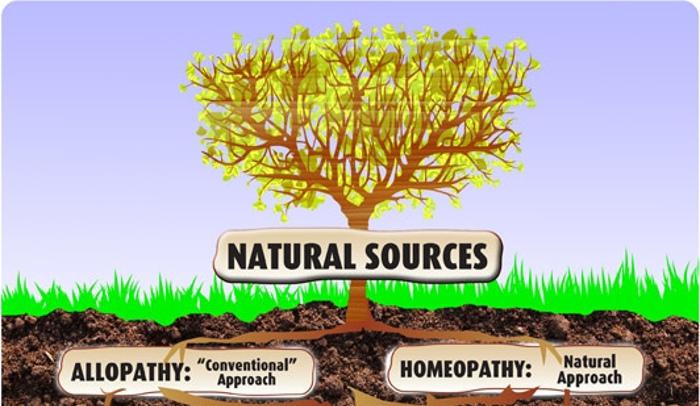
Homoeopathy Vs Allopathy
"Homeopathy vs. Allopathy" refers to the comparison between two different approaches to medicine and healing.
Homeopathy:
- Principle: Based on "like cures like"—a substance causing symptoms in a healthy person can treat similar symptoms in a sick person.
- Remedies: Uses highly diluted substances believed to stimulate the body's self-healing mechanisms.
- Dosage: Remedies are diluted to the point where the original substance may no longer be present, aiming to minimize side effects.
- Treatment Approach: Focuses on individualized treatment considering the patient's physical, emotional, and psychological state.
- Philosophy: Believes in vital force or energy that regulates the body's self-healing abilities.
Allopathy (Conventional Medicine):
- Principle: Uses evidence-based treatments to counteract or suppress symptoms and diseases, often through drugs, surgery, and other interventions.
- Medications: Uses pharmaceuticals that target specific symptoms or causes of diseases, with well-established mechanisms of action.
- Dosage: Dosages are determined through clinical trials to maximize efficacy and minimize side effects, often using standardized doses.
- Treatment Approach: Focuses on diagnosing and treating specific diseases and conditions, generally using the same treatment for patients with similar diagnoses.
- Philosophy: Relies on scientific research and clinical trials to validate treatments and interventions.
Key Differences:
-
Approach to Treatment:
- Homeopathy uses individualized, highly diluted remedies.
- Allopathy uses standardized, scientifically tested drugs and treatments.
-
Philosophy:
- Homeopathy is based on the principle of "like cures like" and the concept of vital force.
- Allopathy is based on evidence-based medicine and the principle of counteracting symptoms.
-
Efficacy and Acceptance:
- Homeopathy is considered controversial, with debates over its effectiveness and the mechanism of action behind highly diluted remedies.
- Allopathy is widely accepted in the medical community, with treatments and medications supported by scientific research and clinical trials.
In summary, homeopathy and allopathy represent two fundamentally different approaches to medicine, each with its own principles, treatment methods, and philosophies. While homeopathy focuses on individualized, minimalistic treatments, allopathy relies on standardized, evidence-based interventions.